
Zero Trust Security Is Exploding in the USA: Why Companies No Longer Trust Anyone in 2025
Cybersecurity in the United States is going through a major mindset shift. Traditional security models that relied on perimeter defenses are failing. Data breaches, insider threats, and remote work have exposed one uncomfortable truth:
Trust is the biggest vulnerability.
That’s why Zero Trust Security has become one of the fastest-growing technology trends in the USA in 2025.
From government agencies to Fortune 500 companies, organizations are adopting Zero Trust to protect data, users, and systems in an increasingly hostile digital world.
So what exactly is Zero Trust Security, and why is America embracing it so aggressively?
Let’s break it down.
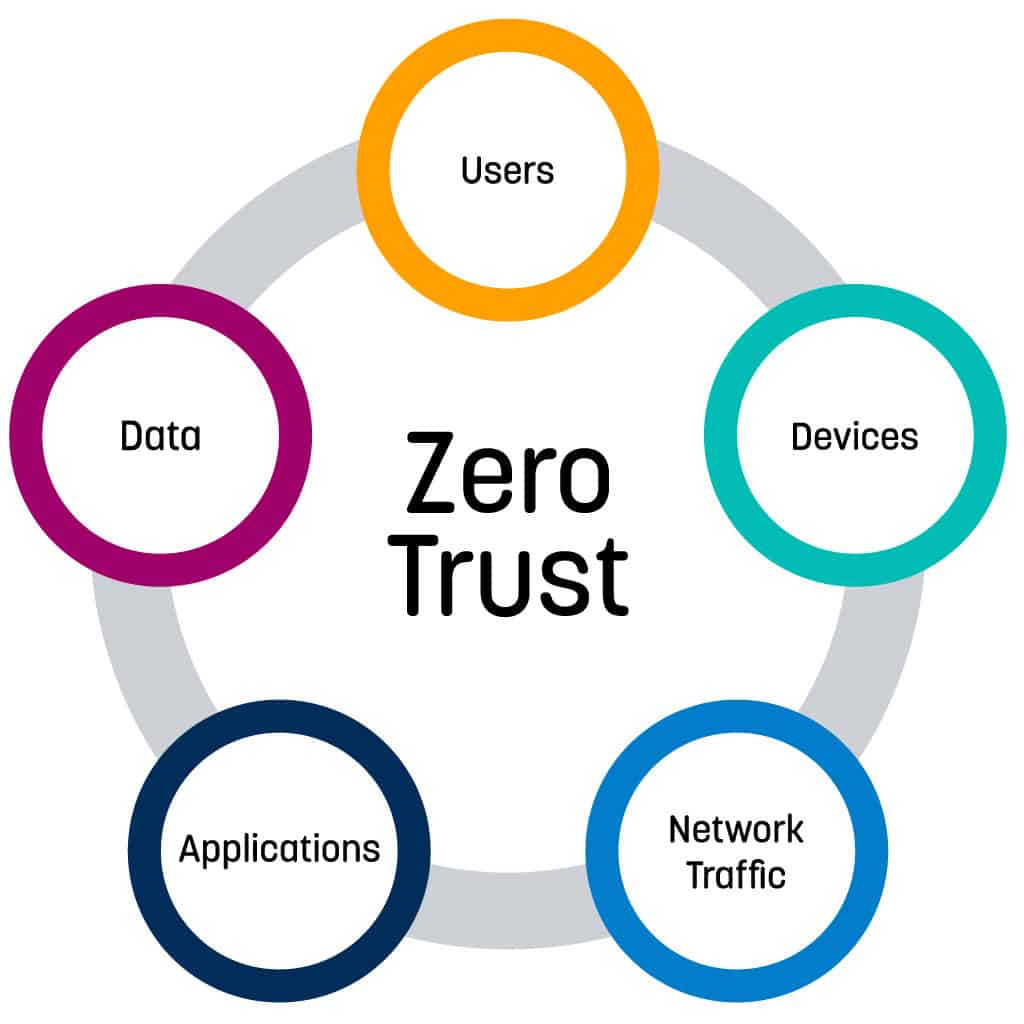
What Is Zero Trust Security?
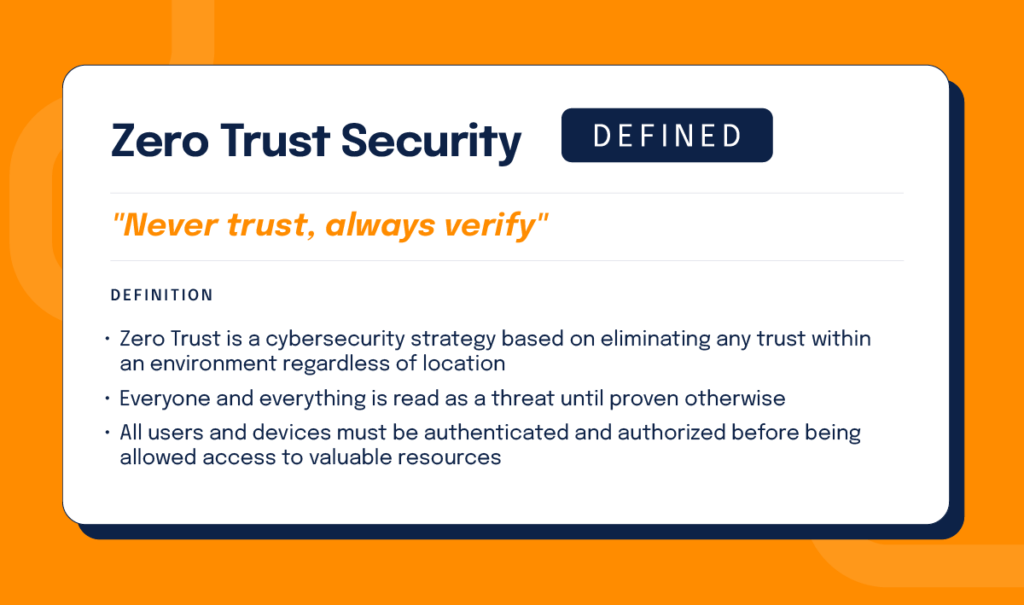
Zero Trust Security is a cybersecurity model based on a simple but powerful idea:
Never trust. Always verify.
Unlike traditional security systems that trust users inside the network, Zero Trust assumes that every request is a potential threat — whether it comes from inside or outside the organization.
This means:
- No automatic access
- Continuous verification
- Strict identity checks
- Limited permissions
Every user, device, and application must prove itself every time.
Why Zero Trust Security Is Trending in the USA
The rapid rise of Zero Trust Security in the USA is driven by several real-world problems:
🔹 1. Remote & Hybrid Work
Employees now access systems from homes, cafes, airports, and personal devices. The old “office firewall” no longer works.
🔹 2. Cloud & SaaS Explosion
Data is spread across cloud platforms, apps, and third-party services. Trusting internal networks is no longer safe.
🔹 3. Rising Cyberattacks
Ransomware, phishing, and insider threats have increased dramatically, costing U.S. companies billions of dollars ($) each year.
🔹 4. Government Push
U.S. federal agencies are actively promoting Zero Trust frameworks to protect national infrastructure and sensitive data.
How Zero Trust Security Actually Works
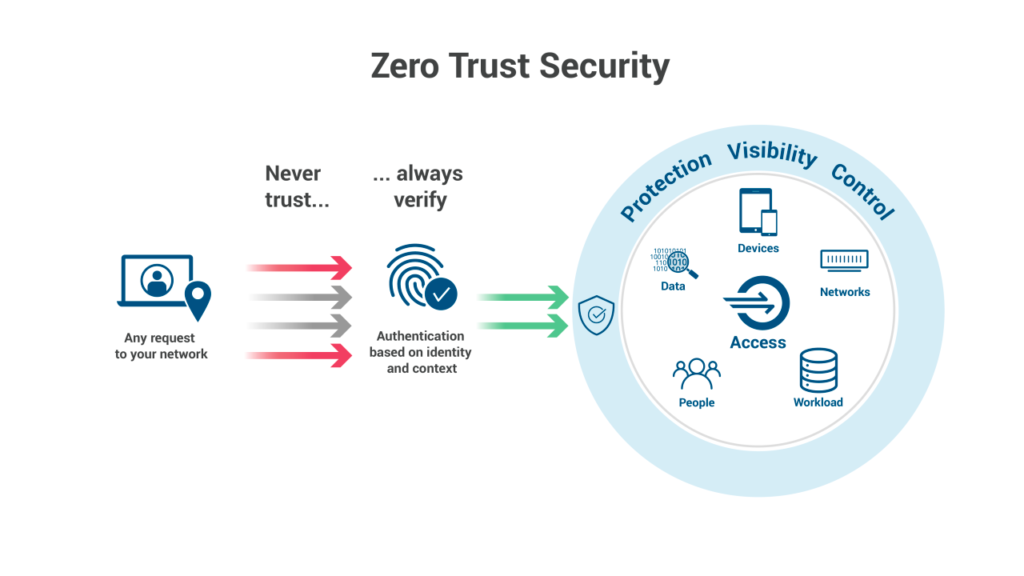
Zero Trust Security relies on multiple layers of protection:
1️⃣ Identity Verification
Every user must authenticate using strong methods like:
- Multi-factor authentication (MFA)
- Biometrics
- Device verification
2️⃣ Least-Privilege Access
Users only get access to what they absolutely need — nothing more.
Even if credentials are compromised, attackers can’t move freely.
3️⃣ Continuous Monitoring
Zero Trust systems constantly analyze:
- User behavior
- Device health
- Location changes
- Access patterns
If something looks suspicious, access is instantly restricted.
4️⃣ Micro-Segmentation
Networks are broken into small segments. Even if attackers breach one part, they can’t reach the rest of the system.
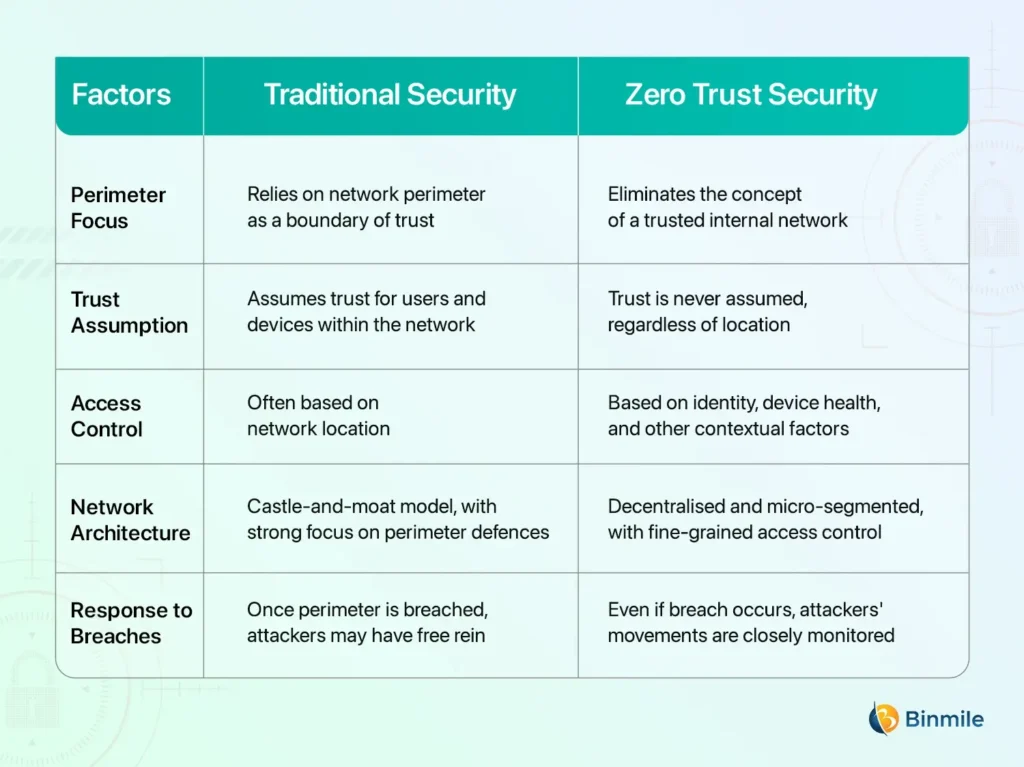
Zero Trust Security vs Traditional Security
| Traditional Security | Zero Trust Security |
|---|---|
| Trusts internal users | Trusts no one |
| Perimeter-based | Identity-based |
| Static access | Dynamic verification |
| Slow response | Real-time enforcement |
This shift is why Zero Trust is considered the future of cybersecurity.
Why U.S. Companies Are Investing Heavily ($$$)
Enterprises are spending aggressively on Zero Trust solutions because:
- Data breaches are expensive ($ millions)
- Compliance requirements are strict
- Customer trust is critical
- Insurance companies demand stronger security
Zero Trust reduces:
- Breach impact
- Downtime
- Legal risks
- Reputation damage
For many organizations, Zero Trust is now a business requirement, not just an IT upgrade.
Zero Trust and AI: A Powerful Combination
In 2025, AI and Zero Trust Security are deeply connected.
AI helps Zero Trust systems:
- Detect anomalies faster
- Predict insider threats
- Automate access decisions
- Respond to attacks in real time
This makes Zero Trust scalable for large U.S. enterprises.
Challenges of Zero Trust Security
Despite its benefits, Zero Trust is not easy to implement.
Challenges include:
- High initial costs ($)
- Complex integration
- User resistance
- Skill shortages
However, most organizations agree that the long-term benefits outweigh the challenges.
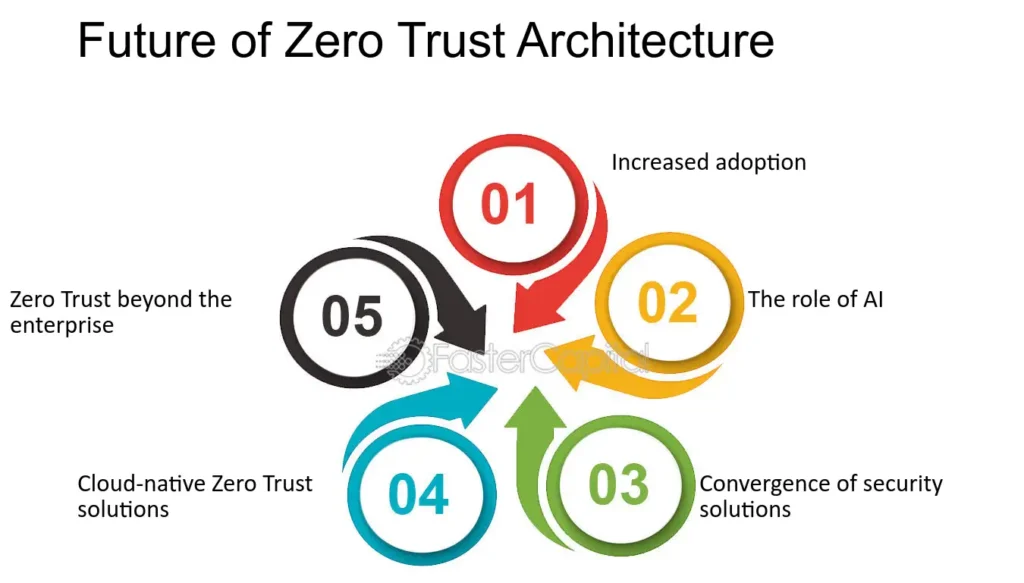
The Future of Zero Trust Security in the USA
Experts predict that Zero Trust will soon become the default security model.
Future developments include:
- AI-driven identity verification
- Passwordless authentication
- Automated compliance enforcement
- Zero Trust for IoT and AI systems
In short, Zero Trust is not a trend — it’s a permanent shift.
Final Thoughts
Zero Trust Security is reshaping how the USA thinks about digital safety.
In a world where data is everywhere and attackers are smarter than ever, trust is no longer a security strategy.
The organizations that adopt Zero Trust early will be the ones that stay secure in the years ahead.
🔗 INTERNAL LINKS
- https://yourtech03.com/ai-in-cybersecurity-usa-2025
- https://yourtech03.com/cloud-security-infrastructure-data-analytics-usa