AI in Cybersecurity Is Changing Everything in the USA: Are Companies Really Safe in 2025?
Cyberattacks in the United States are becoming more frequent, more advanced, and more expensive. From ransomware targeting hospitals to data breaches exposing millions of user records, cybersecurity has become a top priority for businesses and governments alike.
In 2025, one technology is dominating this battle: AI in cybersecurity.
Artificial Intelligence is no longer just a support tool. It is now actively detecting threats, predicting attacks, and responding in real time. At the same time, hackers are also using AI to launch smarter and faster cyberattacks.
So the big question is:
Is AI making the USA more secure — or more vulnerable?
Let’s break it down clearly.
Why AI in Cybersecurity Is Trending in the USA Right Now
The rise of AI in cybersecurity is not accidental. Several major factors are driving this trend across the United States:
- A sharp increase in ransomware and DDoS attacks
- Remote work expanding the attack surface
- Cloud adoption and massive data growth
- Shortage of skilled cybersecurity professionals
- AI models becoming fast and affordable
According to recent industry reports, cybercrime costs in the U.S. are expected to reach hundreds of billions of dollars ($) annually. Traditional security tools simply cannot keep up.
That’s where AI steps in.
What Is AI in Cybersecurity?
AI in cybersecurity refers to the use of machine learning, behavioral analysis, and automated intelligence to detect, prevent, and respond to cyber threats.
Unlike traditional security systems that rely on fixed rules, AI-powered systems:
- Learn from patterns
- Adapt to new threats
- Detect anomalies in real time
- Respond automatically without human delay
In simple words, AI acts like a 24/7 digital security analyst that never gets tired.
How AI Is Protecting U.S. Companies from Cyber Threats
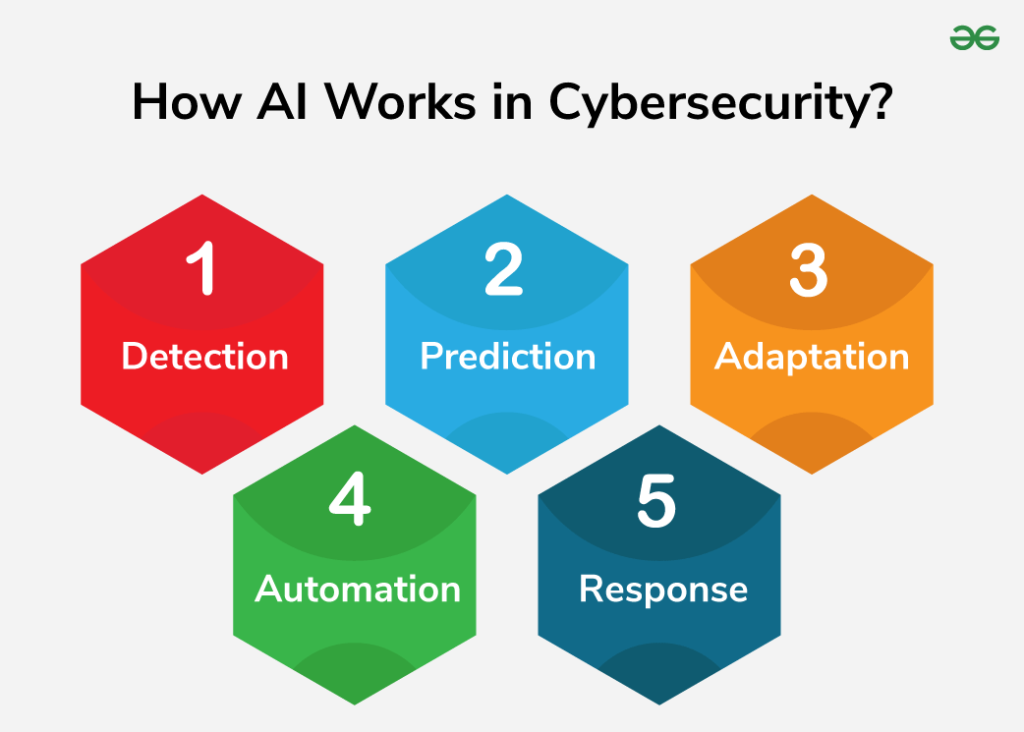
AI is already transforming cybersecurity in several powerful ways.
1️⃣ Real-Time Threat Detection
AI systems monitor network traffic and user behavior continuously. When something unusual happens, such as suspicious login attempts or abnormal data transfers, AI flags it instantly.
This reduces response time from hours to seconds.
2️⃣ Predicting Cyberattacks Before They Happen
Modern AI models can analyze historical attack data and predict potential vulnerabilities. This allows companies to fix weaknesses before hackers exploit them.
3️⃣ Automated Incident Response
Instead of waiting for human intervention, AI can:
- Isolate infected systems
- Block malicious IP addresses
- Shut down compromised accounts
This automation prevents damage from spreading.
4️⃣ Fighting Ransomware
Ransomware is one of the biggest cybersecurity threats in the USA. AI helps detect unusual file encryption behavior early, stopping ransomware attacks before data is locked.
The Dark Side: Hackers Are Using AI Too
Here’s the uncomfortable truth.
While companies use AI in cybersecurity for defense, attackers are also using AI for offense.
Cybercriminals now use AI to:
- Generate realistic phishing emails
- Create deepfake voice scams
- Automate password cracking
- Bypass traditional security systems
This has created an AI vs AI cyber war, where speed and intelligence decide the winner.
Why U.S. Businesses Are Investing Heavily in AI Cybersecurity ($$$)
American enterprises are spending billions of dollars ($) on AI-based security solutions — and for good reason.
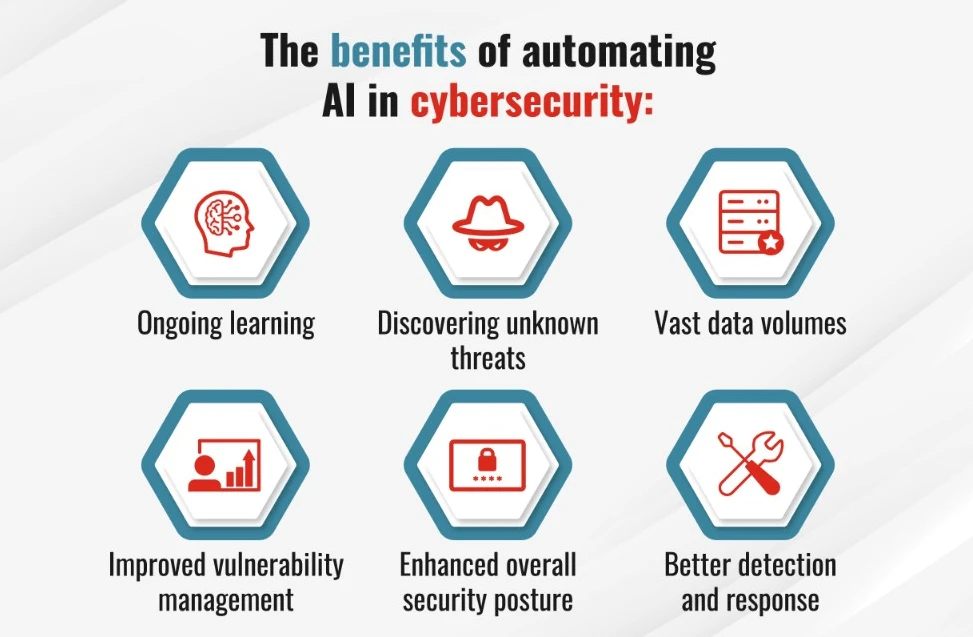
Benefits include:
- Reduced breach costs
- Faster response times
- Lower dependence on manual labor
- Better compliance with regulations
- Improved customer trust
For many companies, AI cybersecurity is no longer optional — it’s a survival strategy.
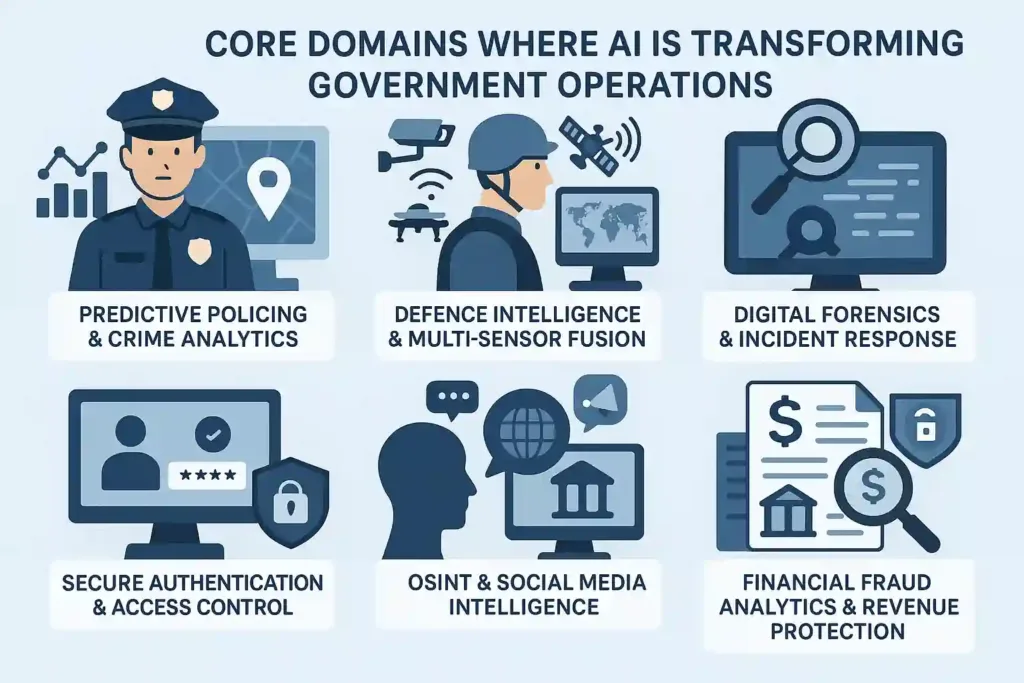
Government and AI Cybersecurity in the USA
The U.S. government is also investing heavily in AI in cybersecurity.
Federal agencies are using AI to:
- Protect critical infrastructure
- Secure defense systems
- Monitor national cyber threats
- Detect foreign cyber interference
New cybersecurity frameworks are being developed to ensure AI systems remain transparent, ethical, and controllable.
Challenges and Risks of AI in Cybersecurity
Despite its benefits, AI in cybersecurity comes with risks:
- False positives blocking legitimate users
- AI models being tricked or poisoned
- Overreliance on automation
- Lack of transparency in AI decisions
That’s why experts emphasize human + AI collaboration, not full automation.
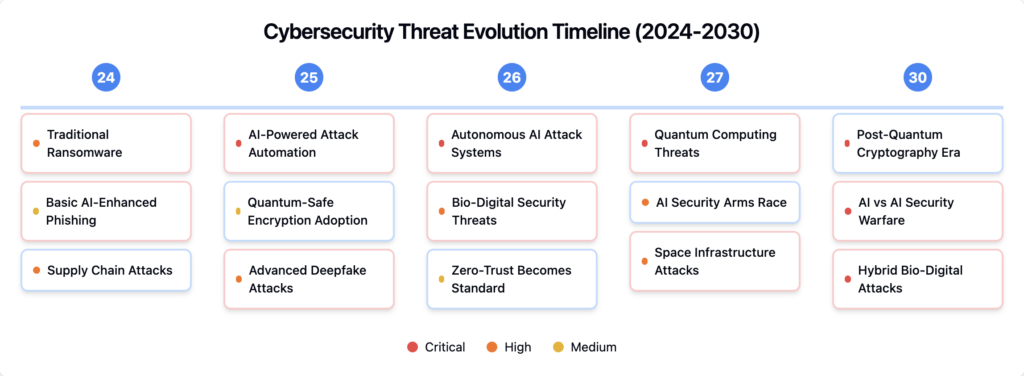
The Future of AI in Cybersecurity (2025–2030)
Looking ahead, experts predict:
- AI-driven zero-trust security models
- Fully autonomous threat response systems
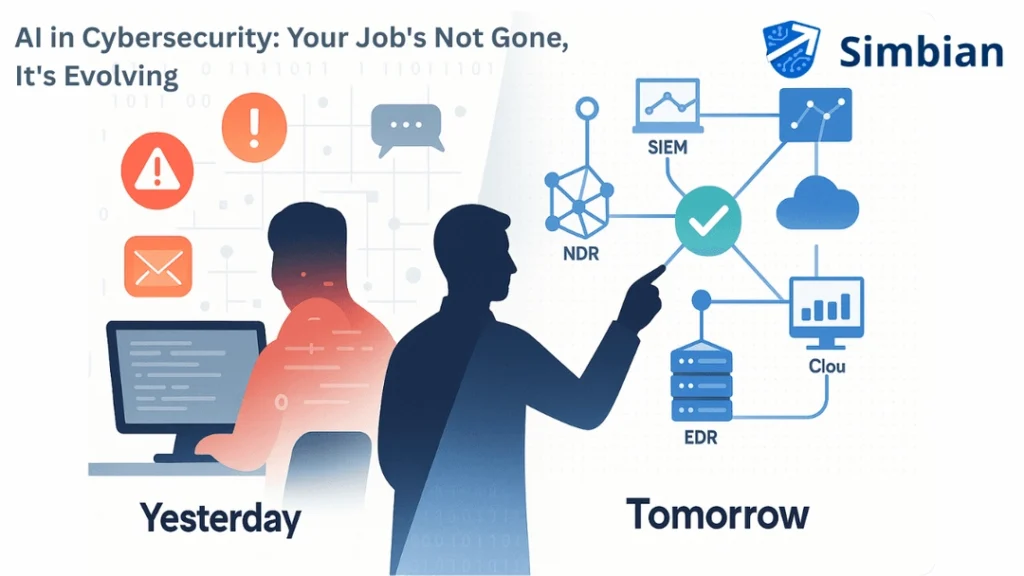
- AI security analysts replacing manual SOC roles
- Stricter AI cybersecurity regulations
- Massive growth in cybersecurity jobs focused on AI oversight
AI will not eliminate cybersecurity professionals — it will change their roles.
What This Means for Businesses and Individuals
If you’re a business owner:
- Investing in AI cybersecurity early gives a competitive edge
- Delaying security upgrades increases financial risk ($)
If you’re an individual:
- AI will protect your data better
- But awareness is still critical to avoid scams
Cybersecurity is no longer just an IT issue — it’s a business and personal safety issue.
Final Thoughts
AI in cybersecurity is one of the most powerful and controversial technology trends in the USA today.
It is making defenses smarter, faster, and more proactive — while simultaneously enabling more advanced attacks. The companies and governments that master AI security will define the future of digital safety.
In 2025, one thing is clear:
👉 Cybersecurity without AI is no longer enough.
🔗 INTERNAL LINKS
- https://yourtech03.com/ai-data-centers-energy-crisis-usa/
- https://yourtech03.com/cloud-security-infrastructure-data-analytics-usa