Remote Work in the USA 2025: Is It Still Worth It for American Workers?
Remote Work in the USA 2025: Is It Still Worth It for American Workers?
Remote work completely changed how Americans think about jobs and work-life balance. What started as a temporary shift a few years ago has now become a permanent part of the US job market. But in 2025, many people are asking an important question:
Is remote work still worth it in the USA, or is the trend slowly fading away?
The answer is not a simple yes or no. Remote work is evolving, and understanding where it stands today can help workers, freelancers, and businesses make smarter decisions.

The Current State of Remote Work in the USA 2025
In 2025, remote work is no longer a new concept. Many US companies now follow a hybrid model, allowing employees to work from home a few days a week while still coming into the office occasionally.
Tech companies, startups, marketing agencies, and software businesses continue to lead this shift. At the same time, some large corporations are encouraging employees to return to offices, creating a mixed landscape.
This balance shows that remote work is not disappearing, but it is being redefined.
Why Remote Work in the USA 2025 Is Still Popular
Better Work-Life Balance
One of the biggest reasons Americans still prefer remote work is flexibility. Working from home saves commuting time and allows people to better manage personal and professional responsibilities.
Access to More Job Opportunities
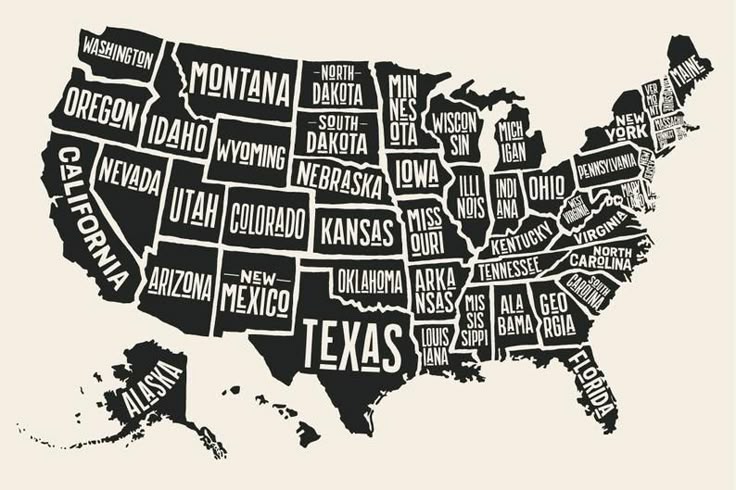
Remote work removes location barriers. US workers can now apply for jobs across different states without relocating, opening the door to better roles and salaries.
Cost Savings
Remote employees save money on transportation, meals, and housing. For many workers, these savings make a noticeable difference in monthly expenses.
Challenges of Remote Work in 2025
Despite its benefits, remote work comes with challenges that are becoming more visible in 2025.
Reduced Team Connection
Some employees feel isolated when working remotely for long periods. Building strong team relationships can be harder without face-to-face interaction.
Productivity Pressure
Remote workers often feel the need to prove productivity, leading to longer working hours and burnout.
Limited Growth in Some Roles
Certain career paths still benefit from in-office presence, especially leadership and management positions.
How US Companies Are Adapting
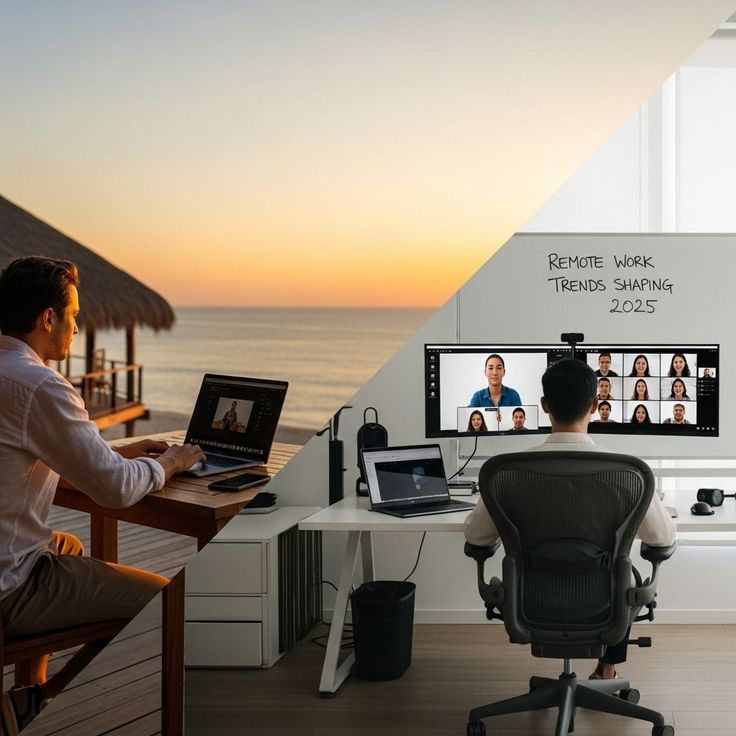
Many US businesses are responding by offering flexible hybrid models. Instead of forcing a full return to offices, they allow employees to choose what works best for them.
Companies are also investing in collaboration tools, mental health support, and performance-based evaluations rather than time-based monitoring.
What Remote Work in the USA 2025 Means for the Future
Looking ahead, remote work in the USA will likely continue in a balanced form. Fully remote roles will remain common in tech and digital fields, while hybrid work will dominate traditional industries.
Workers who adapt by improving communication skills, remote work in the USA,time management, and digital collaboration will benefit the most from this shift.

Final Thoughts
So, is remote work still worth it in the USA in 2025? For many people, the answer is yes — but with realistic expectations.
Remote work offers flexibility, remote work in the USAbroader opportunities, and cost savings. However, success depends on choosing the right role, company culture, and work style.
As the US job market continues to evolve, remote work remains a valuable option rather than a fading trend.
For many professionals, Remote Work in the USA 2025 offers flexibility and freedom when matched with the right company culture.
The future of Remote Work in the USA 2025 depends on balance, productivity, and employee well-being.
External DoFollow Links:
- https://www.bls.gov (US job market data)
- https://www.weforum.org (future of work insights)