Introduction to Artificial Intelligence
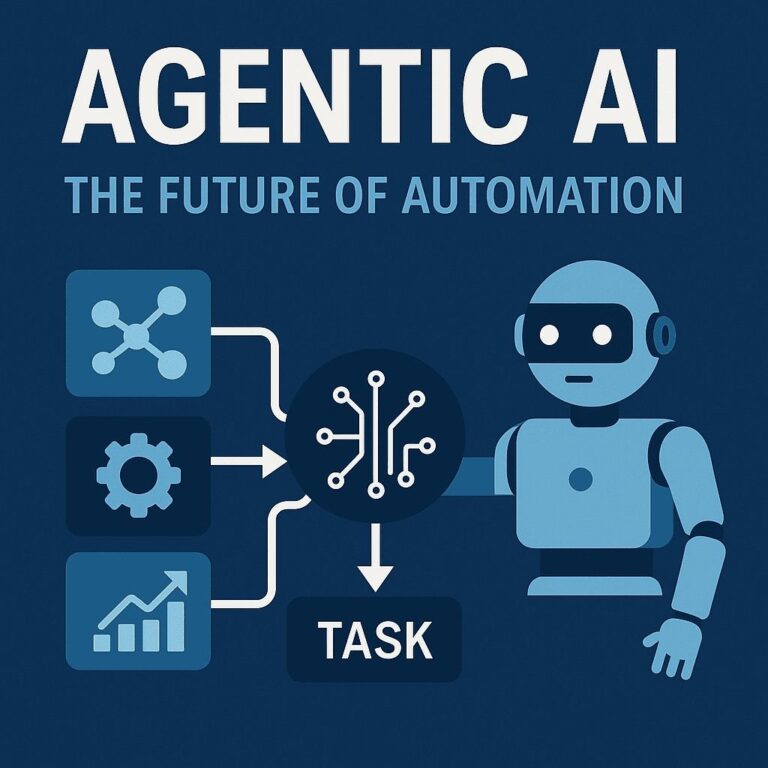
Artificial Intelligence (AI) is one of the most powerful and rapidly growing technologies in the modern world. It refers to the ability of machines and computer systems to perform tasks that normally require human intelligence, such as learning, problem-solving, decision-making, and language understanding.
Today, AI is everywhere—from smartphones and chatbots to self-driving cars and smart assistants. It is transforming how we live, work, and interact with technology.
What is Artificial Intelligence?
Artificial Intelligence is a branch of computer science that focuses on creating intelligent machines that can think and act like humans.
These systems use:
- Machine Learning (ML)
- Deep Learning
- Natural Language Processing (NLP)
AI systems can analyze large amounts of data, recognize patterns, and make decisions with minimal human intervention.
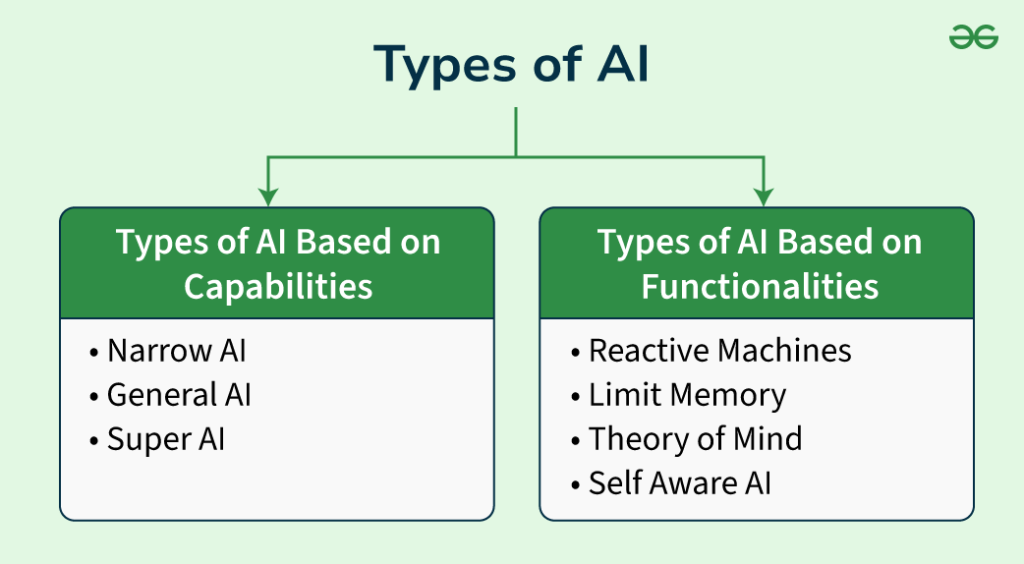
Types of Artificial Intelligence
1. Narrow AI (Weak AI)
This type of AI is designed for specific tasks like voice recognition or recommendation systems.
Example: Siri, Google Assistant
2. General AI
This is advanced AI that can perform any intellectual task like a human. It is still under development.
3. Super AI
A future concept where AI surpasses human intelligence. This is theoretical and not yet achieved.
Benefits of Artificial Intelligence
Artificial Intelligence offers numerous advantages across different sectors:
1. Increased Efficiency
AI can perform tasks faster and more accurately than humans.
2. Automation
Repetitive tasks can be automated, saving time and effort.
3. Better Decision Making
AI analyzes data to provide accurate insights.
4. 24/7 Availability
AI systems can work continuously without breaks.
5. Cost Reduction
Businesses can reduce operational costs using AI automation.
Real-Life Applications of AI
AI is used in many industries:
1. Healthcare
- Disease detection
- Robot-assisted surgery
- Personalized treatment
2. Education
- Smart learning systems
- AI tutors
- Automated grading
3. Business
- Customer support chatbots
- Data analysis
- Marketing automation
4. Transportation
- Self-driving cars
- Traffic management systems
5. Entertainment
- Content recommendations
- Video editing tools
- Gaming AI
Is Artificial Intelligence Dangerous?
AI has many benefits, but it also comes with some risks:
- Job displacement due to automation
- Data privacy concerns
- Misuse of AI technologies
However, with proper regulations and ethical use, AI can be used safely and responsibly.
Future of Artificial Intelligence
The future of Artificial Intelligence is extremely promising. In the coming years, AI will:
- Become more advanced and human-like
- Create new job opportunities
- Improve healthcare and education systems
- Revolutionize industries worldwide
AI will not replace humans but will work alongside them to enhance productivity and innovation.
Conclusion
Artificial Intelligence is not just a technology—it is a revolution that is shaping the future of the world. From simplifying daily tasks to solving complex problems, AI is becoming an essential part of human life.
Understanding AI today will help individuals and businesses stay ahead in the future.Contact Us
Read more: Introduction to Artificial Intelligence