New US Data Privacy Laws in 2025: What Tech Companies and Users Must Know Now
Data privacy has become one of the most serious technology concerns in the United States. From social media platforms and AI companies to mobile apps and cloud services, how user data is collected, stored, and used is now under intense scrutiny.
In 2025, new US data privacy laws are reshaping the technology landscape — and many companies are quietly worried about what comes next.
But what exactly is changing?
How will these laws affect tech companies, businesses, and everyday users?
And why is data privacy suddenly trending so aggressively in the USA?
Let’s break it down clearly.
Why US Data Privacy Laws Are Trending in 2025
The rise of US data privacy laws is driven by a mix of public pressure, AI growth, and high-profile data breaches.
Key reasons behind this trend include:
- Massive user data leaks in recent years
- Rapid adoption of AI tools collecting personal data
- Growing concern over surveillance and tracking
- Pressure from global privacy regulations
- Increased awareness among U.S. consumers
Americans are demanding more control over their personal information — and lawmakers are responding.
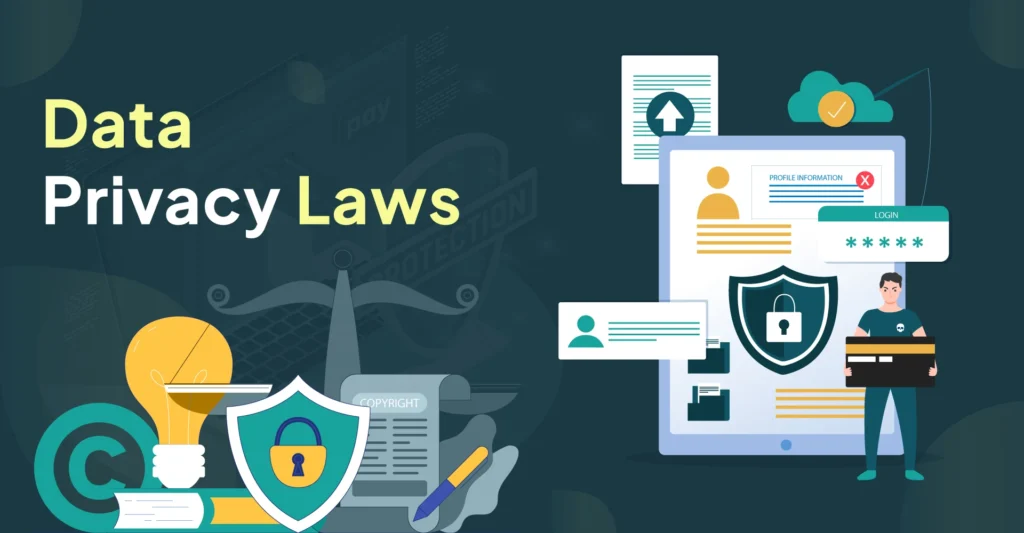
What Are the New US Data Privacy Laws?
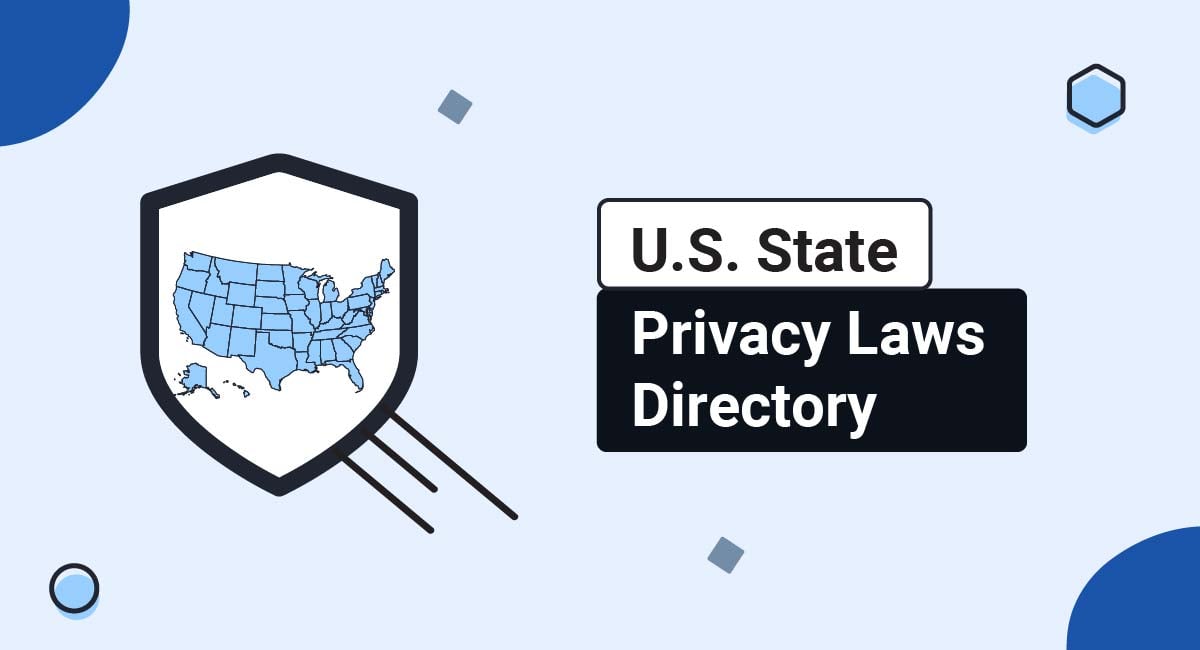
Unlike Europe’s GDPR, the United States follows a state-level privacy approach, but 2025 is marking a major shift toward stronger and more unified rules.
New and updated laws focus on:
- User consent before data collection
- Transparency in how data is used
- Limits on data sharing and selling
- Stronger penalties for violations
- Rights to access, delete, or correct personal data
These laws directly impact tech companies, AI platforms, advertisers, and data brokers.
How These Laws Affect Tech Companies
For technology companies, US data privacy laws introduce serious compliance challenges.
🔹 1. Data Collection Restrictions
Companies must clearly explain what data they collect and why. Hidden tracking practices are now risky.
🔹 2. AI Training Under Scrutiny
AI companies face legal pressure over using user data for model training without explicit permission.
🔹 3. Heavier Financial Penalties ($$$)
Violations can result in millions of dollars ($) in fines, lawsuits, and reputational damage.
🔹 4. Increased Compliance Costs
Businesses must invest in privacy audits, legal teams, and security upgrades.

Impact on Social Media and Big Tech
Social media platforms are among the most affected.
These platforms rely heavily on user data for:
- Targeted advertising
- Content recommendations
- User engagement optimization
New US data privacy laws limit how this data can be used, potentially impacting ad revenue and personalization.
That’s why companies like Meta, Google, and TikTok are adjusting policies and introducing new privacy tools.
What This Means for Everyday Users
For users in the USA, these laws bring several benefits:
- More control over personal data
- Clear opt-in and opt-out options
- Reduced data selling
- Better transparency from apps and websites
However, users may also notice:
- More consent pop-ups
- Fewer hyper-personalized ads
- Changes in app features
Privacy comes with trade-offs — but most users welcome the change.

Data Privacy and Artificial Intelligence
One of the hottest debates in 2025 is data privacy vs AI innovation.
AI systems depend on massive datasets, but privacy laws demand stricter data handling.
This creates tension around:
- AI model training data
- User consent
- Data anonymization
- Ethical AI development
The future of AI in the USA will depend heavily on how companies balance innovation with privacy protection.

Why Businesses Are Worried ($)
Small and medium businesses are especially concerned.
Challenges include:
- Understanding complex privacy rules
- Updating data practices
- Managing consent systems
- Avoiding legal risks
Non-compliance can lead to lawsuits and heavy fines, making privacy a top business priority in 2025.
What’s Next for US Data Privacy?
Experts predict that the United States will move toward stronger federal-level privacy standards in the coming years.
Expected trends:
- More unified national privacy framework
- Stricter AI data rules
- Greater enforcement actions
- Higher consumer awareness
Data privacy is no longer optional — it’s becoming a core part of digital life.
Final Thoughts
US data privacy laws in 2025 are redefining how technology companies operate and how users interact with digital platforms.
As data becomes more valuable, protecting it becomes more critical. The companies that adapt early will survive — those that ignore privacy risks may face serious consequences.
In the end, privacy is no longer just a legal issue.
It’s a trust issue.
🔗 INTERNAL LINKS
- https://yourtech03.com/ai-in-cybersecurity-usa-2025/
- https://yourtech03.com/zero-trust-security-usa-2025